Mobile EV Charging vs Traditional Roadside
Many roadside incidents still require towing. Mobile EV charging is available through certain providers in select markets. EEE Rescue specializes in connecting drivers with local mobile charging operators where service is available.
EEE Rescue connects customers with independent local mobile EV charging operators.
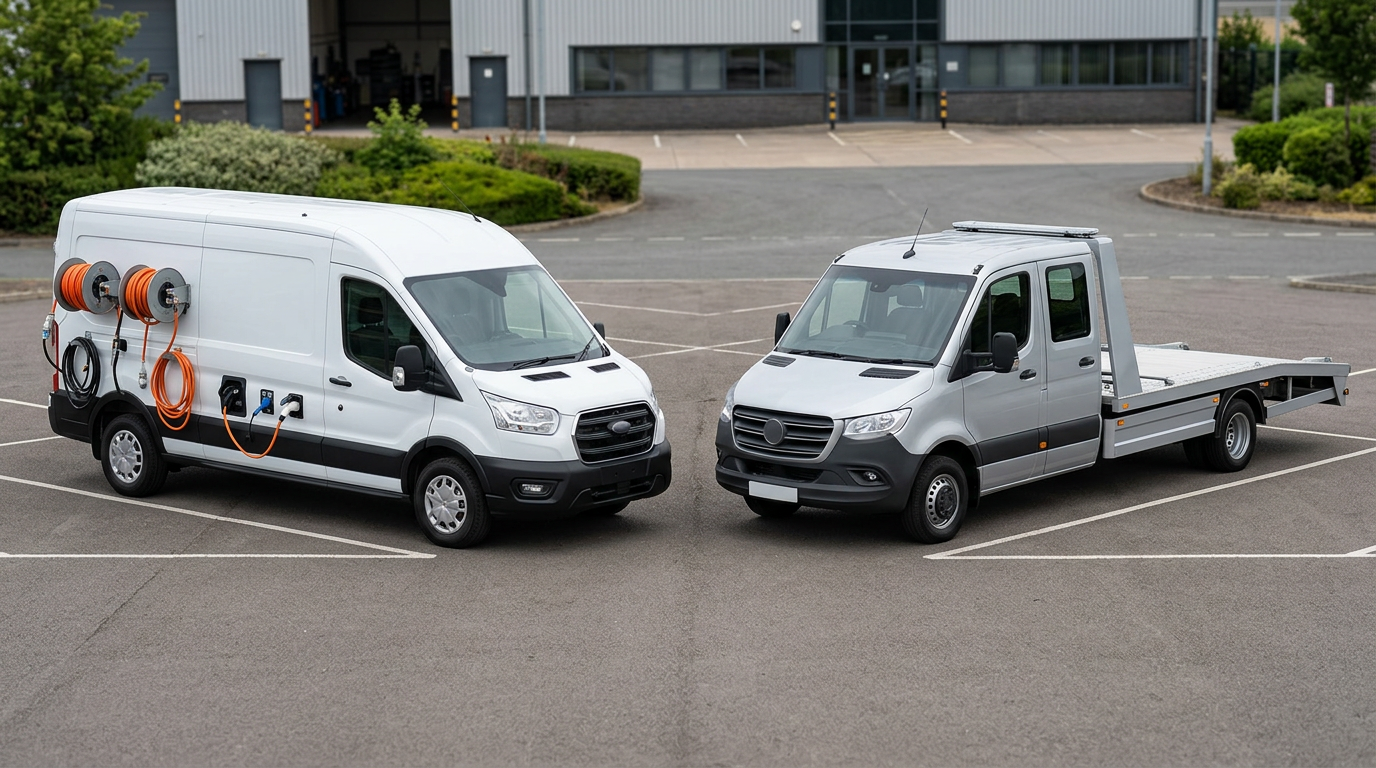
Side-by-Side Comparison
Pros & Cons
EEE Rescue (Mobile Charging)
PROS
- Specializes in mobile EV charging
- Emergency charging starting at $199
- Final pricing and estimated arrival confirmed before dispatch
- No flatbed loading when an on-site charge resolves the issue
- $149 annual membership with one included emergency charge (subject to written terms)
CONS
- Available only in select markets where a local operator is available
- Does not handle mechanical breakdowns or towing (charging only)
- Response time varies by location, traffic and operator availability
Traditional Roadside Assistance
PROS
- Available nationwide with established networks
- May include complimentary tows under warranty
- Handles mechanical breakdowns too
- Familiar brand recognition
CONS
- Many EV incidents are still resolved by towing
- On-site EV charging availability varies by provider and market
- Towing costs vary when out of pocket or beyond plan limits
Frequently Asked Questions
Is mobile EV charging faster than traditional roadside assistance?
It depends. Response time and equipment availability vary by location, traffic, operator availability and vehicle compatibility. Dispatch confirms pricing and estimated arrival time before service.
Which service is cheaper for a stranded EV?
EEE Rescue emergency charging starts at $199, with final pricing confirmed before dispatch. Roadside plan costs and coverage vary by provider, so check what your existing plan includes.
Which EVs does EEE Rescue work with?
EEE Rescue operators carry NACS and CCS adapters compatible with most modern EVs, including Tesla, Ford, Rivian, GM, BMW, and Lucid. Tell dispatch your make, model, and connector type so the right equipment is sent.
Can traditional roadside assistance charge my EV on-site?
Many roadside incidents still require towing. Mobile EV charging is available through certain providers in select markets. EEE Rescue specializes in connecting drivers with local mobile charging operators where service is available.
Do I need to cancel my existing roadside plan to use EEE Rescue?
No. Many EV drivers keep both. A roadside plan covers towing and mechanical issues; EEE Rescue specializes in connecting drivers with local mobile charging operators where service is available.
Does EEE Rescue offer a membership?
Yes. The EEE Rescue annual membership is $149/year and includes one emergency charge per year, subject to written terms. Final pricing and estimated arrival are confirmed before dispatch.
Skip the Wait — Request Emergency Charge Now
EEE Rescue connects customers with independent local mobile EV charging operators. Emergency charging starts at $199. Response time and equipment availability vary by location, traffic, operator availability and vehicle compatibility. Dispatch confirms pricing and estimated arrival time before service.
EEE Rescue is an EV charging dispatch service. We connect customers with independent local mobile EV charging operators. EEE Rescue does not perform electrical work directly.